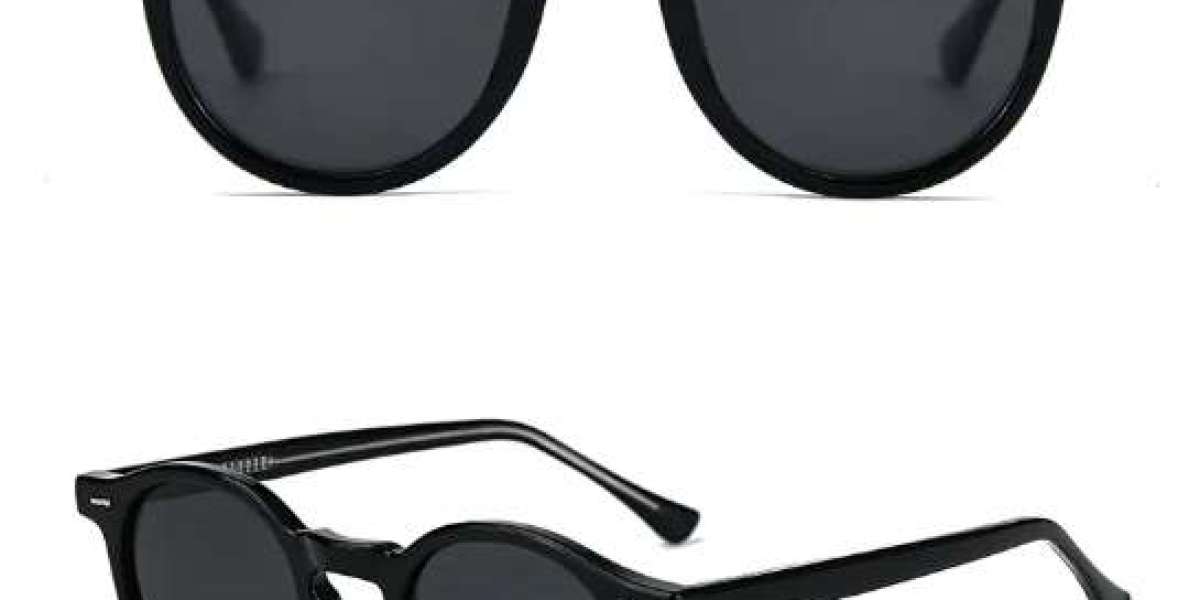

Inventory availability is an important consideration for businesses operating in the international eyewear market. Optical retailers, wholesalers, and distributors often need access to different frame styles without waiting for every product to go through a complete customization and development process. A reliable Glasses Stock Factory can support these purchasing requirements by providing existing product collections and coordinating stock availability for different business needs. For buyers, the value of ready-stock sourcing depends not only on product variety but also on quality consistency, inventory management, communication, and order fulfillment arrangements.
Ready-stock eyewear offers several practical advantages for businesses with established sales channels. Instead of developing every design from the beginning, buyers can evaluate available styles and select products that match their customer preferences. This approach may help reduce product development time and simplify purchasing decisions, particularly for retailers that need to replenish existing collections. It can also provide opportunities for wholesalers to introduce new styles without committing to extensive design development before testing market demand.
Product variety is one of the first factors buyers should evaluate. A useful inventory may include optical frames with different shapes, materials, colors, and construction styles. Classic rectangular, round, oval, and square designs can serve customers with different preferences, while contemporary geometric and oversized frames may support more fashion-oriented collections. Having a balanced selection allows retailers to serve different age groups, lifestyles, and price segments without relying on a narrow range of products.
Material composition is equally important when reviewing available inventory. Acetate frames are popular for their varied colors, patterns, and surface appearances. They can be suitable for retail collections that emphasize fashion and visual identity. Metal frames, including stainless steel designs, offer another option for customers who prefer slimmer profiles and more understated styling. Some collections may also combine acetate and metal components to create a distinctive appearance. Buyers should understand the material information provided for each product before making purchasing decisions.
Product construction deserves careful inspection, even when frames are already available in stock. Buyers should examine hinge operation, frame symmetry, temple alignment, bridge construction, and surface finishing. These details can affect how products perform during everyday use and how they are perceived by retail customers. Consistent inspection standards help businesses identify potential defects before inventory is distributed to different sales locations. For larger purchasing programs, sample evaluation can provide a useful reference for assessing product quality.
For international buyers comparing a Glasses Stock Factory, inventory accuracy is particularly important. Product catalogs and stock information should reflect actual availability as closely as possible. Buyers need clear communication about which styles are ready for shipment, which items have limited quantities, and which products require additional manufacturing time. This information supports more accurate purchasing plans and helps businesses avoid making sales commitments based on unavailable inventory.
Inventory planning also involves understanding the relationship between product variety and purchasing volume. Retailers may prefer smaller quantities across several designs to test customer response, while distributors may focus on larger quantities of established styles. Seasonal purchasing patterns can influence these decisions. For example, retailers may increase their selection of fashion-oriented products before major shopping periods, while basic optical frames may require more consistent replenishment throughout the year. Buyers should use historical sales information to estimate suitable purchasing quantities.
Communication about product specifications is another important part of wholesale sourcing. Even when choosing existing designs, buyers may need information about frame materials, colors, dimensions, lens compatibility, packaging, and available customization options. Clear product records make it easier to organize inventory and provide accurate information to downstream retailers. They also reduce the possibility of confusion when multiple frame styles have similar appearances.
Packaging and labeling should be considered before orders are confirmed. Products may require individual protective cases, cleaning cloths, barcodes, product labels, or customized packaging depending on the distribution channel. These requirements can influence order preparation and should be communicated early. For businesses operating under their own brands, selected stock products may also offer opportunities for approved logo or packaging customization, depending on the available manufacturing arrangements.
Logistics coordination is essential when purchasing eyewear from overseas suppliers. Buyers should confirm the expected preparation schedule, shipping method, carton arrangement, and relevant export documentation. Packaging needs to protect frames from scratches, pressure, and movement during transportation. Businesses importing different styles in one shipment should also maintain clear product identification to simplify receiving and warehouse operations. Reliable coordination can make the purchasing process more predictable.
A practical sourcing strategy should balance immediate availability with long-term product development. Ready-stock products can help businesses respond to current demand, while customized collections may provide greater differentiation as brand requirements develop. Retailers can use sales feedback from existing products to identify popular materials, colors, and frame shapes for future orders. This approach allows businesses to make purchasing decisions based on actual customer response instead of relying entirely on assumptions.
Long-term supplier cooperation can further improve inventory management. Consistent product information, timely availability updates, organized order records, and clear quality expectations help buyers plan repeat purchases more effectively. Businesses should also establish communication procedures for handling damaged goods, product discrepancies, and replacement requests. These arrangements contribute to a more manageable supply relationship as purchasing volumes and distribution networks expand. Buyers evaluating optical frame inventory and wholesale sourcing options can review available products at https://www.kaiziglasses.com/product/ to identify styles suitable for their retail and distribution requirements.